
Introduction
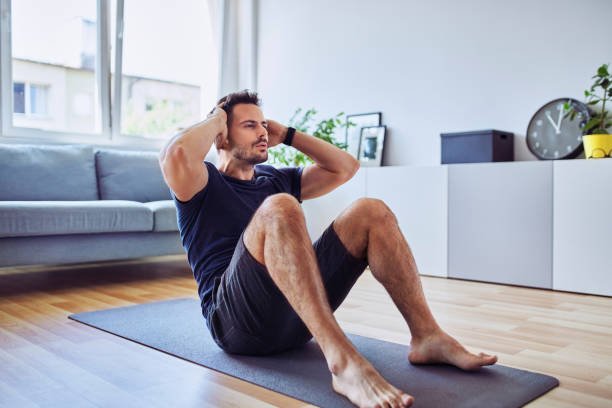
Improve fitness while avoiding a gym membership or costly equipment by starting a fitness program at home. If you are beginning exercise, you may not be certain of what exercises to begin with, how long to do the exercises for or how much. Thankfully, it’s not hard to get started Working Out . Home exercises enable newbies to exercise in ease and adhere to a routine that suits their daytime schedule. Simple body weight exercises can be started and progressively increased as fitness levels improve. This Guide will help you get started with exercising at home, how to create a beginning exercise program and how to develop good exercise habits that will help you make progress over time.
Realistic Fitness Goals Before You Begin
Take some time to consider your goals before you start your at-home fitness program. Some are keen to build muscle, some want to lose weight, some want more stamina, some want to be more active. Knowing what you want helps to select appropriate exercises, and maintain motivation. Make small, attainable goals. For instance, maybe you want to work out thrice a week or a 15-minute workout without too many breaks. The goals are relatively easy to keep as opposed to more challenging routines that take a lot of time and effort.
Familiarizing yourself with your present fitness level is also important. If you haven’t done any exercise in the past, start out with simple exercises and Working Out do not compare yourself to those who are more experienced. Time is required for your body to adapt to new physical activities. Record your objective and monitor your progress weekly. You might feel a boost in energy, exercise time, strength or being able to do more movements. Small successes can give you a sense of getting closer and closer to your goal.
Create Home Workout Area
There is no need for a big room, or a professional fitness system to exercise at home. Typically a space big enough to swing arms and legs is adequate. Look for a spot that you can run around in without banging into furniture or slipping on the floor. Clothing and footwear should be comfortable and provide appropriate support for activities. Have a water bottle on hand to drink when necessary. An exercise mat can help make movements like glute bridges and stretches easier if you are going to be doing floor exercises.
There are several exercises that don’t require any equipment for beginners for home Working Out. As they become fitter, however, resistance bands, light dumbbells and a stable chair can prove helpful. Don’t buy into products that you don’t need until you know what you need to work out. Make sure the work out area is tidy and clean. It can also be easier to stick to your routine and build a habit if you have a designated space to exercise.
Simple Exercises for Beginners
When you are beginning to start your at-home workout plan, it’s crucial that you pick out some activities that will be easy for the beginner to do. Emphasize exercises that are targeting different muscle groups and work on general strength, balance, and endurance Working Out . Bodyweight squats can help strengthen the glutes and legs and are a great starting exercise. Your feet should be about shoulder-width apart, bend your knees and drop your butt down before standing up again. If this is challenging, hold onto a stable chair for balance. If wall push-ups are an option, they are a great good choice for beginners.
Glute bridges are exercises that can tone and firm the glutes and aid the lower body. Lying on your back with your knees bent and your feet touching the ground. Raise hips up slowly then pause, then lower slowly. Standing marches can also be incorporated to raise activity levels and the cardiovascular fitness level. Modifed Working Out planks and bird dogs are helpful for core stability and strength of Working Out . Use a couple of repetitions of each movement and concentrate on keeping the movements in good form. Set an appropriate number of repetitions and gradually increase the reps, don’t do an overly challenging workout on your first day.
Develop Basic Weekly Home Exercise Plan
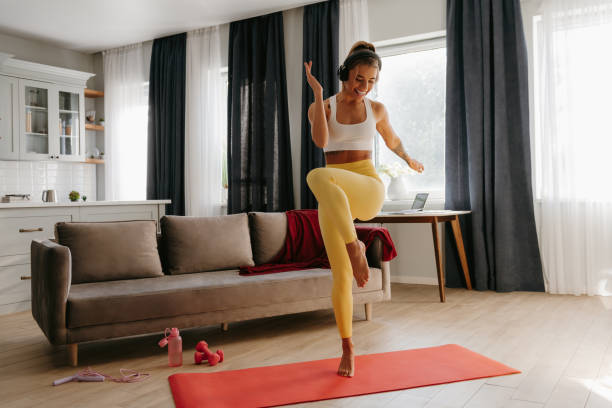
Having a weekly schedule makes it easier for you to stay organized and not exercise randomly. To get the best results, beginners should begin with smaller numbers of exercise sessions and give plenty of recovery time. So three full body workouts a week might be a good starting point. You might work out on Mondays, Wednesdays and Fridays, and walk lightly on the other days, or stretch gently on the other days or stay off of it.
For each Working Out , a warm-up of four or five basic exercises are performed. Squats, wall push ups, glute bridges, standing marches and bird dogs may be performed. Start with one easy set of about 8–10 reps (as appropriate). If you are doing something like modified planks, do not hold the pose for an extended period of time, and try to maintain good posture.
You don’t have to have a long session. Just 10-20 minutes of Working Out can get you in an exercise routine. Once you become more endurance and stronger you can start to add in more repetitions, duration or resistance to your workout. Don’t overwork the same muscle groups each day. The recovery period will help your body acclimate to exercise and decrease an unnecessary amount of fatigue.
During all exercise sessions, warm up and cool down
Warm-up is preparing your body for exercise. Slowly raises movement and heart rate and aids in the transition to exercise. You might find the workout uncomfortable if you start the workout with challenging movements. Basic warm up exercises can consist of marching in place, gentle shoulder rolls, arm circles, knee lifts and slow bodyweight squats Working Out . Do some light activity for about 5 minutes to get some body movement in before starting the main exercises for Working Out . Cooling down after the workout is also beneficial. Take your time little by little and walk around for several minutes. Then you can stretch gently the muscles you worked in your session.
Do not stretch or bounce when stretching. Take it easy and keep a normal ROM.
Make Healthy Habits and Avoid Common Workout Mistakes
Incorporating regular exercise with other healthy behaviors is best! The right nutrition, water, rest and recovery all play a role in keeping you on a workout plan. Eat well-balanced meals containing fruits, vegetables, protein foods and whole grains. Drink plenty of water all day, particularly if exercising in warm weather. Sleep is important for recovery and energy level.
It is important that the beginner is aware of some of the common pitfalls of exercise that make it harder or more likely to cause injury:
- Too much too early: Begin with small amounts of activity, then build up.
- Failure to practice technique properly
- Learn the correct movement first; then increase the reps or resistance.
- Taking rest days.
- Give muscles adequate rest between strenuous exercises.
- Keeping track of your own progress.
- Compare yourself to yourself, rather than to someone else.
- Do not expect to see results immediately
- Build strength and endurance over time.
It’s not as important to do an extremely hard workout once in a while as it is to be consistent. Select activities that you like and develop a lifestyle around them.
SLOWLY PACE YOUR WORKOUTS
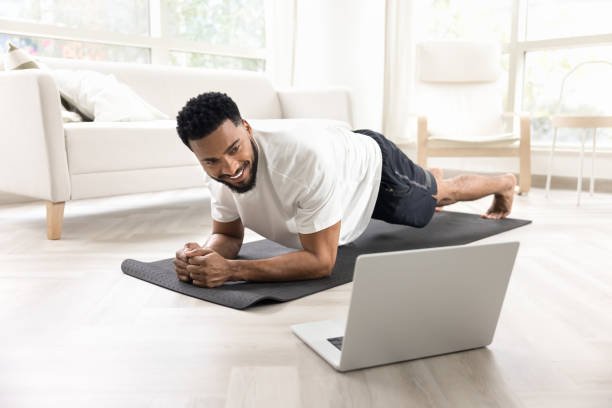
After the basic exercises are mastered, it is possible to increase the difficulty of the exercises. Some basic methods to make the exercise more effective are to increase reps, increase sets or use light resistance. Also add in new activities like brisk walking, cycling, dancing or start some videos of workouts that are easier for beginners. Exercise can be made interesting and different fitness skills developed by using various forms of movement. Record the exercises performed, number of reps and time spent working out.
When reviewing these records, you’ll be able to see what changes to make and when to make them to increase the difficulty. Adults should seek to accumulate at least 150 minutes of Working Out moderate intensity aerobic exercise per week and two or more days of muscle strengthening exercise per week for general health. These goals are for beginners and aren’t expected to be achieved right away. Get more active, but do so gradually as able. If you have an injury, medical condition or concerns about starting exercise, seek advice specific to your situation from a health care professional before you start.
Conclusion
You don’t need to have any expensive equipment, complicated exercises or lengthy workout sessions to learn how to start working out at home. Just a little space to exercise, sensible fitness goals and some easy exercises. Make sure you’re doing it right, stick to a reasonable weekly plan, and allow time for recovery. Once you get fitter and fitter, gradually work up to more difficult workouts. Practice and patience can help home exercise become a lifelong habit.
Frequently Asked Questions
How should an inexperienced person start working out at home?
Start with simple exercises such as squats, wall push ups, glute bridges and standing marches. Begin with short duration and slowly increase with time as fitness levels improve.
How many days a week should they train?
You may want to start with 3 workouts weekly. Other days can consist of light walking or gentle stretching, depending on your recovery time.
Is it possible to have muscle building home exercises?
Yes. Body weight exercises can be a great way to strengthen and build muscle. Gradually increase resistance and use resistance bands, dumbbells or more challenging variations of exercise.
Is there equipment that I need for home exercises?
No. There are a number of great exercises for beginners which need just your own bodyweight and some room to perform them safely. There is also optional equipment which can be added as training requirements evolve.