
Introducution
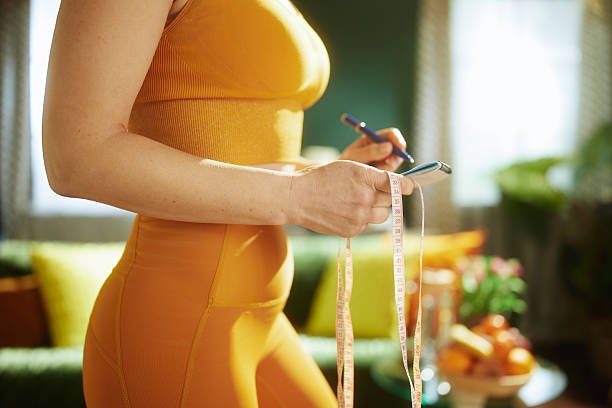
Many individuals want to lose belly fat but think that they need to have expensive gym equipment or complicated exercise routines. The truth is there are a number of great exercises you can do at home with just your own body weight and some space. It’s all about selecting activities that will help you get fit, build muscle, and/or help you stay physically active. Also, remember that no exercise will eliminate fat from a particular body part.
This is better achieved through regular exercise, good nutrition and healthy lifestyle habits. Here you will learn a few of the best exercises for general fat loss, core building and create a basic workout program at home with no equipment. The first step is to grasp how belly fat gets lost.The first step is to understand how belly fat is lost.
Understand How Belly Fat Loss Works
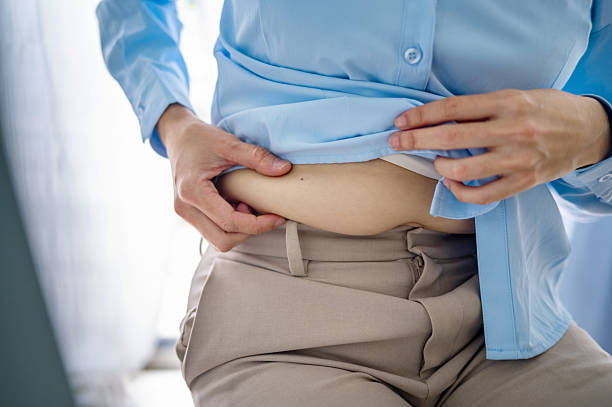
It’s important to know how your body burns fat before beginning an exercise program. Belly fat is the fat tissue below the skin as well as fat surrounding the organs. By keeping active regularly, you can lose body fat, such as fat around your waist. But doing hundreds of crunches won’t necessarily target belly fat. This concept is called spot reduction and the research does not support this concept. Abdominal work helps tone and tighten the fat underneath, but to lose fat around the ab is a more comprehensive approach.
Brisk walking, jogging in place, jumping jacks, and body weight strength exercises are ways to raise physical activity and help burn more calories. These exercises and a healthy diet can help establish a fat loss environment. Have realistic expectations from the start. The body composition you had when you first started is different than it is now, and so is the rate of improvement from person to person.
Best Footwork Exercises for Belly Fat
Cardio activities elevate your heart rate and aid your body to burn energy. They can be helpful for enhancing endurance and sustaining weight control. There are a lot of exercises that don’t require any machines or equipment that can be done at home.
Jumping Jacks: Standing straight and arms at side, jump arms out to the side and back in. Jump while taking wide steps and placing hands above head. Go back to starting position and repeat. Step-out is an alternative to the jumping that beginners can do.
High Knees: Stand tall, raise one knee up to chest and opposite arm forward. Alternate legs at a slow pace. This movement will raise heart rate; it is good for short bursts.
Mountain Climbers: Place hands under shoulders and get into a high plank position. Raise one knee to chest and then repeat with the other knee. Maintain a stable back and move at an appropriate speed.
Marching or Jogging in Place: Alternate lifting knees and arms in natural motion. If you’re a beginner, move slowly, or up the speed as fitness goes up. A great, low-maintenance choice for smaller areas.
Burpees: Start in a standing position, lower hands to the floor, step back into plank, step forward back to standing. Alternatively, the jump can be omitted and the feet stepped backward to make it easier. Select exercises that are appropriate to your fitness level. It is not necessary to do all the exercises at full intensity to reap the rewards of regular exercise.
Best Core Exercises to Strengthen the Muscles of the Abdomen
Core exercises work to build muscles around your abdomen, lower back and hips. A more powerful body helps to maintain good posture, balance and normal functioning. These exercises don’t specifically target belly fat, but they’re an important component of a well-rounded fitness regimen.
Planks: Lower forearms to ground and straighten arms behind them. Maintain a straight body line, do not let hips lower. For beginners, they can undertake a knee plank to make it easier.
Reverse Crunches: Lie on your back with your knees bent. Bring knees to chest and slowly raise the hips off the ground. Slowly lower hips, do not use momentum.
Bicycle Crunches: Lie on your back with hands on head, lightly. Tilt elbow toward opposite knee with extended opposite leg. Slowly and gently pull on other side.
Dead Bugs: With back down on the floor and arms up and knees bent. Extend one arm and opposite leg in a slow motion keeping lower back stable. Move back to starting position and cross to the other side. Concentrate on slow and deliberate repetitions rather than doing as many reps as possible. If you feel any pain or are not able to maintain the correct technique, stop.

Full-body strength Exercises
Another crucial aspect of fitness training is strength training. It is useful for the development and maintenance of the musculature and for a strengthening of the body. There’s no need for any dumbbells or resistance machines to get started. Bodyweight exercises can be a good place to start. Squats work several muscles in your lower body, including your thighs and glutes. Step your feet apart to a shoulder width stance, split your knees and then lower your hips back to standing. Move slowly and hold back any tendency to fall, such as when using a chair for support. Push-ups build up the chest, shoulder and arm muscles.
If regular push ups are too challenging, try wall push-ups or knee push ups. Another great option is lunges since they engage the legs and help with balance. Stand up and move into position with both knees bent comfortably and back to the starting position before switching legs. Glute bridges can help tone and stabilize the hips, while building strength in the glutes. With knees bent and feet flat on floor, lie on back. Slowly lift hips up, hold, and slowly lower hips down. These movements when paired with cardio and core exercises, provide a more well-rounded workout program than just abdominal movements.
Develop a Basic Plan for Getting Weekly Exercise
Having a routine can help keep you consistent without making exercise too daunting. If you’re just beginning a program, you should select a fairly easy one and build up the length or level of difficulty over time as you get in shape. Start with 3-4 days of workouts per week. A quick session may consist of 5 minutes of warm up, some cardio, 2-3 strength exercises, and a quick core workout. For instance, do jumping jacks or marching in place, then do squats and wall push-ups. Complete with plank variation or dead bugs. Begin at one comfortable level of each exercise; rest as necessary. During other days, try brisk walking, light stretching or some other .
Overall Fat Loss Healthy Habits
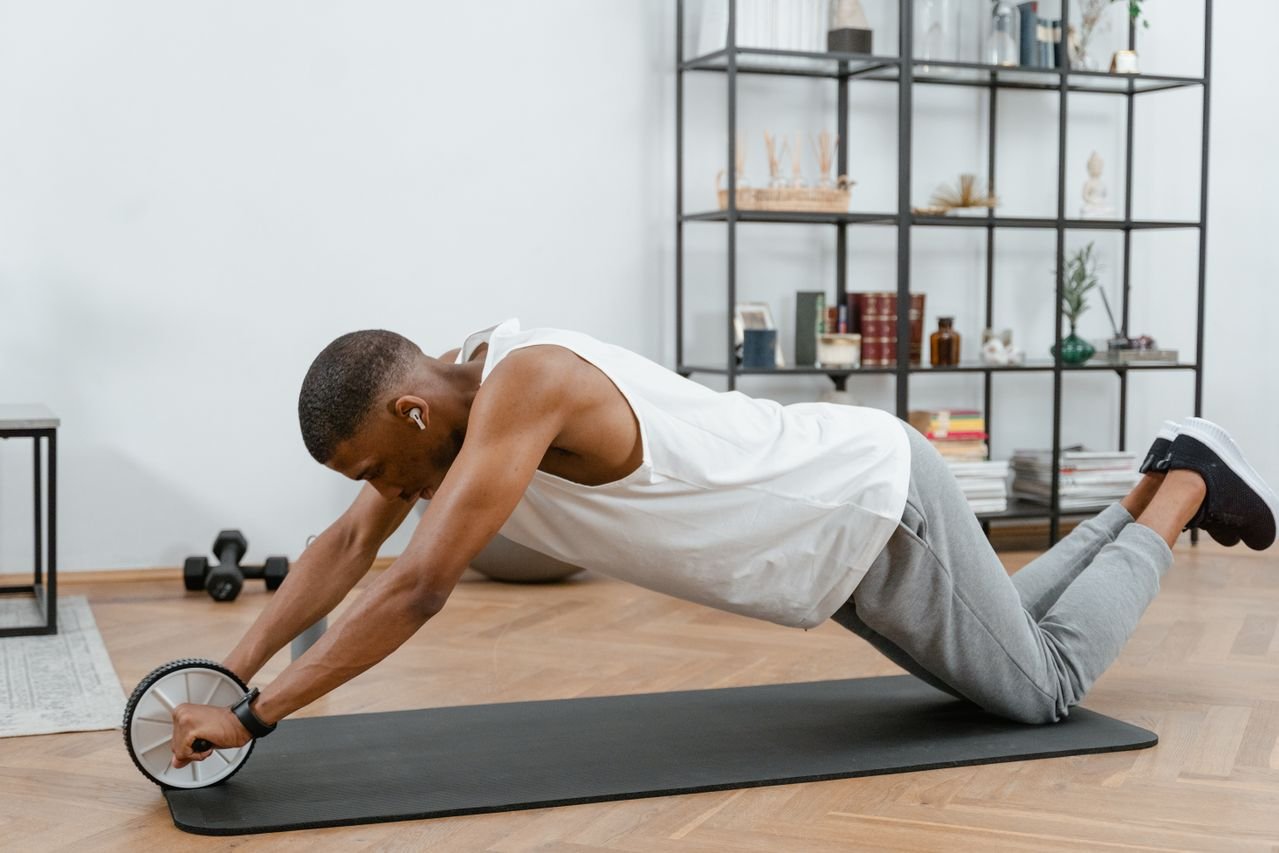
While exercise is essential, everyday routines have an impact on progress too. Maintaining a balanced diet, sleeping well, staying hydrated and getting physical exercise can help you keep up your fitness routine. Eat meals that contain eggs, beans, fish, or lean meat and vegetables and whole grains. Keep an eye on serving sizes and minimise the amount of sugary drinks and highly processed snacks. Don’t rely on an extreme diet to form healthier eating habits. Regular drinking of water throughout the day, especially during exercise or hot weather.
Adequate sleep can also help with recovery and energy and appetite control. Aim to keep active outside of the planned time for exercise. Any walking, housework, stair climbing, and anything that takes you out of a sitting position during the day can add to your activity level. Especially, don’t try to make quick changes. Habits that you can do for weeks and months can make for sustainable progress.
The Top 7 Mistakes to Avoid Making When You’re Trying to Lose Belly Fat
Certain exercise routines can hinder you from getting results or make it more likely to cause pain. Don’t just pay attention to crunches, as crunches are not the exercises that will help you lose belly fat. Add some cardio and body weight exercises. Another typical error is working too hard at first. Hitting the gym too hard can lead to fatigue and discourage adherence to the program. Do easier versions first, and gradually ramp up the difficulty with each variation.
Don’t dismiss the importance of correct technique or rest. Bad posture can put undue pressure on your joints and muscles. Stop if it hurts or causes sharp pain, don’t push through.
Last but not least, don’t compare your results with someone else. The level of fitness attained will depend on a variety of things: Fitness at the outset, genetics, nutrition, sleep, and consistency. Work on your own habits, rather than looking for quick fixes.
Conclusion
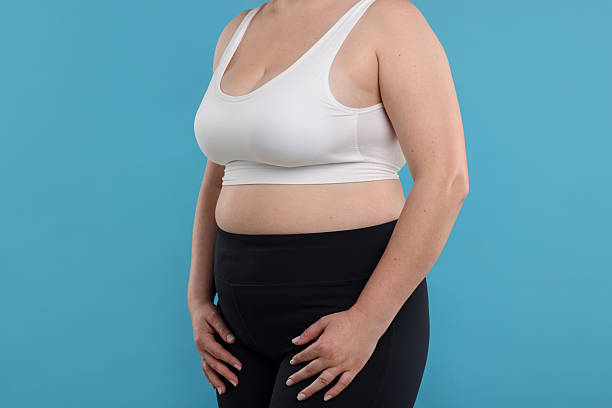
The ideal exercises for losing belly fat at home are cardio, core and full body strength training. Jumping jacks, mountain climbers, planks, squats and lunges are all examples of exercises that don’t require special equipment. Keep in mind that any particular exercise won’t directly target fat in the belly. To support weight loss, work out regularly while eating a healthy diet, getting a good night’s rest and setting realistic goals. Begin at an appropriate level of ability and increase to a program you can keep up.
Frequently Asked Questions
Which are the best exercises that can be performed at home without equipment to lose belly fat?
Jumping jacks, high knees, mountain climbers, squats and brisk marching in place are some good exercises to use. Incorporate cardio movements along with strength and core work for a balanced workout.
Will eating foods that contain vitamins and minerals help me reduce belly fat?
Crunches work the abdominal muscles, but don’t target belly fat. Regular exercise and healthy food eating habits are important for overall fat loss.
What is the best amount of time to spend exercising at home for fat loss?
If you’re a new runner, you can begin at 15 to 20 minutes a session and work up the amount of activity. It’s the consistency and intensity of the exercise, not necessarily very long.
Can anyone who wants to lose belly fat without jumping?
Yes. Beginners can march in place, do step-out jumping jacks, chair squats, wall push-ups or walk lightly to keep active.
What is the optimal number of days to exercise to lose tummy fat?
Do 3-4 manageable exercise days per week. As is recommended, build up towards the recommended weekly activity levels, but allow sufficient recovery time.