

Introduction
It can be difficult to begin a fitness program, particularly because you don’t know what exercises to do, or how to organize your sessions. The great thing is that it is not necessary to have an elaborate gym workout to get strong. Beginners may find that a basic exercise program will help build muscle strength, balance and a routine to exercise.
Full-body workouts involve multiple main muscle groups during a single workout. They are also convenient for those who don’t have a lot of time to exercise. You can perform a variety of exercises at home or in a gym that are easy for beginners to do and get a good workout from, to make steady progress. First, why are full-body workouts beneficial?
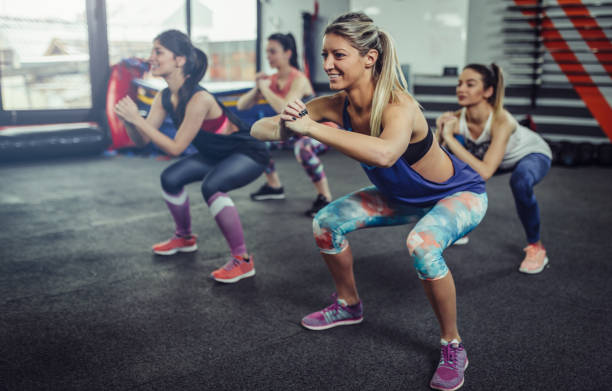
Why are full-body workouts beneficial for beginners?
Full-body workouts are exercises that work the whole body. You do not train one muscle group at a time but work multiple areas as part of the same workout. It’s an effective method for the beginner to get used to key movements regularly. Strength training with exercises like squat, push-ups, and rows promotes strength in daily activities. One of the benefits is flexibility. Two or three full sessions of the body a week can be sufficient for beginners to make progress.
This allows enough time for the muscles to recover between exercise sessions. Training with basic equipment or just body weight can also be done as a full-body training. It’s not necessary to join a high-cost gym to get in touch with fitness.
Best Body Weight Exercises to Build Strength
Some of the best exercises to start with are body weight drills, which help beginners learn how to do the movements properly without the use of heavy weights. They can also be adapted to various fitness levels. Squats are among the most effective exercises that you can do for your lower body. They focus on the quadriceps, glutes and other muscles in the hip and legs. Don’t worry, beginners can begin with standard body weight squats and work to increase their range of motion. Push-ups build strength in the chest, shoulders, and triceps.
People who are not very strong should do them against a wall or with their hands on a stable surface elevated above their head. Glute bridges work on glute strength and help strengthen the hips. They are done lying on the back with knees bent. Raise the hips up so the body is in one line from shoulders to knees, slowly lower. Planks are great for building core stability. Begin holding for a brief time, with your body in line. Even beginners can do planks on their knees as well.
Gym Beginner’s Best Full Body Exercises
Individuals who like to go to the gym can work on building strength using machines and light weights. Use of gym equipment can help control certain movements while learning proper technique with beginners. The leg press is a simple leg workout that’s great for beginners. It activates multiple muscles of the lower body and has a resistance level that can be modified by the user. Use a comfortable weight and keep knees unlocked at the top. The lat pulldown exercises the muscles of the back and also builds upper body strength. Keep the bar near to the upper chest when pulling the bar towards the chest, rather than relying on momentum.
The dumbbell shoulder press works the triceps and shoulders. Use light dumbbells and use controlled movement for Body Workouts . Don’t arch the lower back to lift heavier weights. Seated cable rows also are good to try. They attack the back and work on beginner pulling. Keep the chest elevated and don’t over arch back too much. If unfamiliar equipment is being used in the gym, instruct a trained worker to show how to use it properly.

What is the frequency of full-body workouts for beginners?
The majority of beginners can begin by doing 2-3 full-body sessions a week. For instance, work out on Monday, Wednesday and Friday, rest or light exercise on the other days. Rest is a crucial component of strength building. After exercising it is important to give the muscles time to adapt, particularly if you are new to resistance training. Do not train hard on a daily basis during the beginning stages.
Give more rest if muscles are tired or sore. Walking is a great way to keep active without doing an intense Body Workouts . It’s consistency that’s important, not the hard routine. A workable and achievable schedule which can be followed for several weeks is more helpful than a demanding schedule that is soon to be unmanageable.
Tips to Get Better Results From Your Workouts
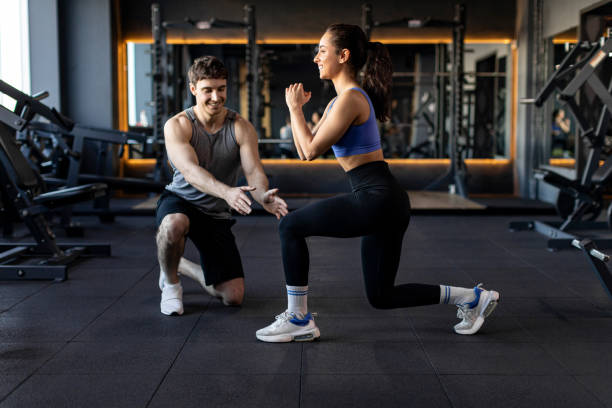
It can take a while to build up strength, but there are some things that can help you get stronger on the way. Practice the movements first, and then make exercises more challenging. Pay attention to good form: Do each rep with good form. Don’t sacrifice technique for repetitions.
Begin at a manageable level of resistance: With body weight or light weights, until comfortable with each movement. To make the exercise more challenging: Add a couple of reps, a second set or a little more resistance when the exercise is comfortable enough. Give yourself time to recover: Have rest days and strive for good quality sleep.
Follow a healthy eating plan
Consume protein, vegetables, fruit, whole grains and healthy fats throughout the day. Keep a record: Keep a record of what you are doing, how many sets, reps and weights you are using so you can see improvements over time. Progressive overload is a technique of gradually increasing your muscle challenge. Therefore, it’s not necessary to push through all workouts. Reducing the amount you have to decrease your load while increasing your strength, which is a good thing.
Conclusion
Full-body workouts are a great place to begin for beginners who wish to create strength and enhance fitness overall. Squats, push ups, glute bridges, rows, and planks are great exercises that will focus on key areas, but won’t require you to have an advanced training session.
Choose 2-3 sessions per week and exercises appropriate to fitness level. Pay attention to good form, take time for recovery, and work up in difficulty. Time and repetition will develop a stronger body and healthy exercise habits.
Frequently Asked Questions
What’s the most effective full-body exercise for the “beginner” level?
If you’re just starting, squats, incline pushups, glute bridges, bird dogs, calf raises and planks are a good place to begin. The exercises emphasize the major muscle groups and are modified to accommodate various levels of fitness.
How many days a week is it best to do a full-body workout?
Two or three times a week are usually sufficient to begin with for beginners. Take rest periods between high-intensity training sessions, and plan your schedule based on your fitness.
Can I get to workouts that work my entire body at home?
Yes. For beginners, bodyweight exercises like squats, push-ups, glute bridges, and planks can be of benefit to get strength at home. As you get better, you can add resistance bands or dumbbells.
How long does it take to take a beginner full body workout?
The duration of a beginners session will be approximately 30-45 minutes with warm ups and rest breaks. This will vary based on the number of exercises and the recovery needs.
What is the time period between strength improvements being observed?
Many get better at exercise after just a couple of weeks. Changes in the body may be more noticeable and will be influenced by training frequency, food, recovery and personal variables.