
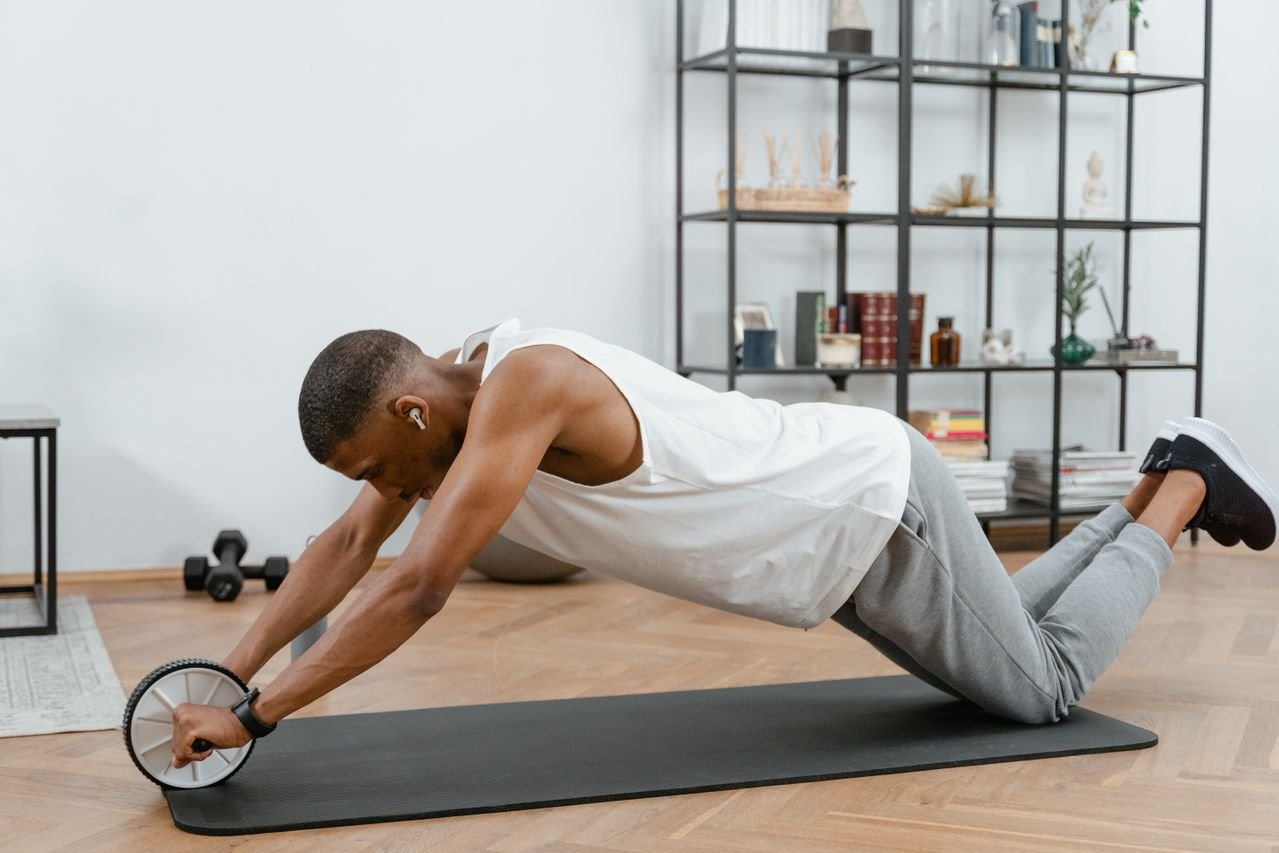
Losing weight does not require an expensive gym membership or complicated workout equipment. With a consistent routine, a little space, and the right exercises, you can get active and support your weight-loss goals from the comfort of your own home.
Home workouts can be especially useful for people with busy schedules, limited access to a gym, or anyone who simply prefers exercising in a private and convenient environment. The key is choosing activities you enjoy and creating a routine that you can maintain over time.
In this guide, we’ll cover the best home workouts for weight loss, including cardio, strength training, bodyweight exercises, and flexibility work. You’ll also learn how to create a simple weekly routine and stay consistent with your progress.
Why Home Workouts Can Help With Weight Loss
Weight loss is influenced by your overall energy balance, while regular physical activity can help increase the amount of energy you use.
Home workouts can make staying active easier because they remove common barriers such as commuting to a gym, waiting for equipment, or working around gym opening hours.
Some benefits of home workouts include:
- Convenience: Exercise whenever your schedule allows.
- Low cost: Many effective exercises require little or no equipment.
- Privacy: Work out in an environment where you feel comfortable.
- Flexibility: Adjust your workouts to your fitness level.
- Variety: Combine cardio, strength training, mobility, and other activities.
The most effective workout is often the one you can perform consistently.
1. Cardio Workouts at Home
Cardiovascular exercise can increase your heart rate, improve fitness, and help you use more energy.
You do not necessarily need a treadmill or exercise bike. Many cardio exercises can be performed in a small space.
High-Intensity Interval Training (HIIT)
HIIT involves alternating periods of higher-intensity exercise with recovery periods.
A simple beginner circuit could include:
- 30 seconds of jumping jacks
- 30 seconds of rest
- 30 seconds of high knees
- 30 seconds of rest
- 30 seconds of mountain climbers
- 30 seconds of rest
Repeat the circuit for several rounds according to your fitness level.
Beginners should start gradually rather than trying to make every workout extremely intense.
Jump Rope
Jumping rope is an effective cardio option that can improve coordination and cardiovascular fitness.
Start with short intervals and gradually increase your workout duration as your fitness improves.
If jumping is uncomfortable for your joints, choose a lower-impact alternative such as marching in place or walking.
Bodyweight Cardio
Exercises such as:
- Burpees
- Mountain climbers
- Squat jumps
- High knees
- Jumping jacks
can be combined into a simple home cardio circuit.
Choose exercises that match your current fitness level and focus on maintaining good technique.
2. Strength Training for Weight Loss
Strength training is an important part of a balanced fitness routine. It helps develop and maintain muscle while improving strength and physical function.
You can strength-train at home using your body weight, resistance bands, or dumbbells. The original article similarly recommends bodyweight exercises, resistance bands, and dumbbells as practical home options.
Push-Ups
Push-ups primarily work the chest, shoulders, and triceps while also challenging the core.
If standard push-ups are difficult, start with an easier variation such as incline push-ups and gradually progress.
Squats
Squats target the major muscles of the lower body, including the quadriceps and glutes.
Keep your movements controlled and use a range of motion that allows you to maintain good form.
Lunges
Lunges are useful for developing lower-body strength and balance.
You can perform forward, reverse, or stationary lunges depending on your fitness level.
Planks
Planks train core stability and can complement other strength exercises.
Instead of trying to hold a plank for as long as possible, focus on maintaining a strong and controlled position.
3. Resistance Band Workouts
Resistance bands are inexpensive, portable, and easy to store, making them useful for home strength training.
You can use them for exercises such as:
- Bicep curls
- Tricep extensions
- Band squats
- Rows
- Chest presses
- Glute exercises
As your strength improves, you can gradually increase the resistance or use more challenging variations.
4. Dumbbell Workouts at Home
If you have dumbbells, they can expand the number of exercises you can perform at home.
Some useful movements include:
- Dumbbell squats
- Shoulder presses
- Dumbbell rows
- Romanian deadlifts
- Chest presses
- Bicep curls
Start with a manageable weight and prioritize proper technique. Increase resistance gradually as your strength improves.
5. Flexibility and Recovery
A good fitness routine is not only about intense exercise. Mobility, flexibility, and recovery also have an important place in a sustainable training program.
The original post recommends yoga, dynamic stretching before exercise, and static stretching after workouts.
Dynamic Warm-Up
Before your workout, try movements such as:
- Arm circles
- Leg swings
- Hip rotations
- Torso rotations
- Light marching
These movements can help prepare you for exercise.
Stretching
After training, gentle stretching can help you transition into your recovery period.
Focus on major muscle groups without forcing any stretch into pain.
Rest and Recovery
Your body needs recovery between challenging workouts. Adequate sleep, nutrition, hydration, and rest days can help you maintain your training routine.
6. A Simple Weekly Home Workout Plan
You do not need to exercise intensely every day to make progress.
Here is an example beginner schedule:
| Day | Workout |
|---|---|
| Monday | Full-body strength workout |
| Tuesday | 20–30 minutes of cardio |
| Wednesday | Rest or light walking |
| Thursday | Full-body strength workout |
| Friday | Cardio or HIIT |
| Saturday | Light activity, yoga, or stretching |
| Sunday | Rest |
You can adjust this schedule according to your fitness level, availability, and recovery.
7. 30-Minute Full-Body Home Workout
If you have limited time, a short full-body workout can still be useful.
Warm-Up — 5 Minutes
- March in place
- Arm circles
- Leg swings
- Bodyweight squats
Main Workout — 20 Minutes
Complete 3–4 rounds:
- Squats — 10–15 reps
- Push-ups — 6–12 reps
- Reverse lunges — 8–12 reps per leg
- Mountain climbers — 20–30 seconds
- Plank — 20–45 seconds
Rest when needed and focus on controlled movement.
Cool-Down — 5 Minutes
Finish with gentle walking and comfortable stretches.
8. How to Make Your Home Workouts More Effective
As your body adapts, your workouts should gradually become more challenging.
You can progress by:
- Increasing repetitions
- Adding another set
- Increasing resistance
- Choosing a harder exercise variation
- Increasing workout duration
- Improving your technique
- Reducing rest periods when appropriate
You do not need to make every workout harder. Gradual, sustainable progression is more realistic than constantly pushing yourself to exhaustion.
9. Nutrition Still Matters
Exercise is only one part of weight management.
A balanced diet can support your workouts and help you manage your overall calorie intake. Focus on nutritious foods such as:
- Vegetables
- Fruits
- Lean proteins
- Whole grains
- Beans and legumes
- Healthy fats
Portion sizes and your overall eating pattern also matter.
A workout should not be viewed as permission to regularly overeat afterward. Instead, combine regular physical activity with sustainable eating habits.
10. How to Stay Consistent
Consistency is often more important than having the “perfect” workout.
The original article emphasizes realistic goals, progress tracking, and creating a regular workout schedule as ways to maintain motivation.
Try these strategies:
Set Small Goals
Instead of focusing only on a final weight-loss target, set weekly goals such as completing three workouts or walking for a certain amount of time.
Track Your Progress
Keep a simple record of your workouts, repetitions, duration, or strength improvements.
Progress is not always reflected by the number on a scale.
Create a Schedule
Choose specific days and times for exercise and treat your workouts as appointments.
Keep Your Workouts Interesting
Alternate between strength training, cardio, walking, mobility, and other activities you enjoy.
Do Not Give Up After a Missed Workout
Missing one session does not ruin your progress. Simply return to your routine at the next opportunity.
Common Home Workout Mistakes
Doing Too Much Too Soon
Starting with extremely difficult workouts can make it harder to recover and stay consistent.
Ignoring Strength Training
Focusing exclusively on cardio can leave an important part of your fitness routine underdeveloped.
Poor Exercise Technique
Performing exercises quickly or with poor form can reduce their effectiveness and increase the risk of injury.
Expecting Immediate Results
Healthy progress takes time. Focus on consistent habits rather than looking for overnight changes.
Exercising Without Recovery
Rest is part of training. Give your body time to recover between demanding sessions.
Frequently Asked Questions
Can I lose weight with home workouts?
Yes. Home workouts can help increase physical activity and energy expenditure. For weight loss, exercise works best as part of an overall approach that includes appropriate nutrition and sustainable habits.
Do I need equipment to work out at home?
No. Many effective exercises, including squats, push-ups, lunges, and planks, require no equipment.
How often should I work out at home?
There is no single schedule that works for everyone. Beginners can start with a manageable routine and gradually increase activity as their fitness improves.
Are home workouts as effective as going to the gym?
Home workouts can be effective for improving fitness, strength, and physical activity. The best option depends on your goals, available equipment, preferences, and consistency.
Can I build muscle with home workouts?
Yes. Bodyweight exercises, resistance bands, and dumbbells can all be used to challenge your muscles. Progressively increasing the difficulty is important for continued improvement.
What is the best home workout for weight loss?
There is no single best exercise. A combination of cardio, strength training, and regular movement can create a well-rounded fitness routine.
Final Thoughts
Home workouts can be a practical and effective way to become more active and support your weight-loss goals.
You do not need expensive equipment or hours of free time. Start with exercises that match your current fitness level, build a routine you can realistically follow, and gradually increase the challenge as you become stronger.
Combine cardio, strength training, mobility, nutritious eating, and adequate recovery to create a sustainable approach to fitness.
Most importantly, focus on consistency rather than perfection. A workout you can repeat week after week is far more valuable than an intense routine you cannot maintain.
Start where you are, use what you have, and keep moving forward.