
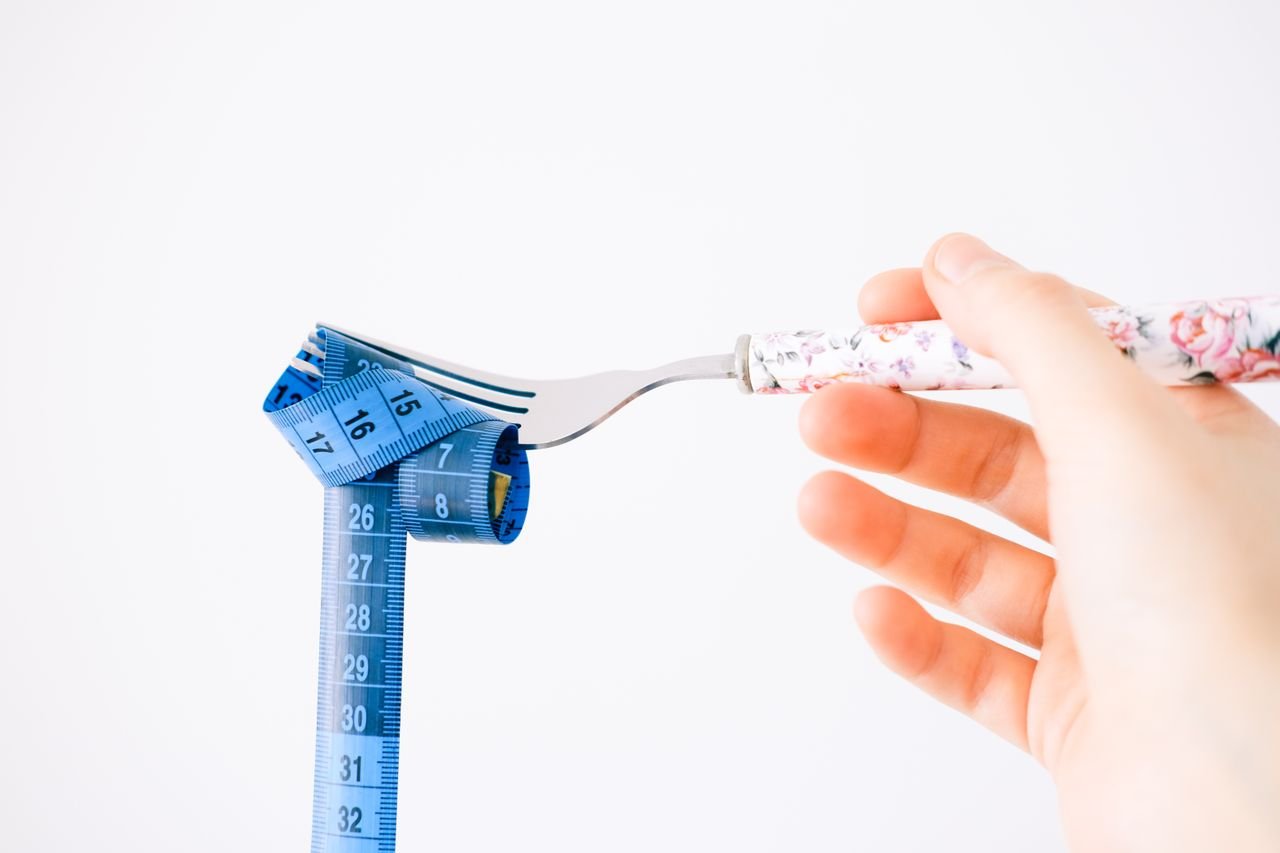
Losing weight does not mean starving yourself or eliminating your favorite foods. A successful weight-loss plan is built around nutritious foods that help you feel satisfied, provide essential nutrients, and make healthy eating easier to maintain over time.
The best foods for weight loss are generally rich in nutrients, fiber, and protein while fitting comfortably into your overall calorie needs. Choosing these foods regularly can help you manage hunger, support a balanced diet, and develop healthier eating habits that last.
In this guide, we’ll explore some of the best food choices for weight loss, including fruits and vegetables, lean proteins, and whole grains. We’ll also look at practical strategies for building balanced meals and making healthier choices every day.
1. Fruits and Vegetables
Fruits and vegetables are an important foundation of a healthy weight-loss diet. They provide vitamins, minerals, antioxidants, water, and dietary fiber while many options are relatively low in calories.
Adding a variety of fruits and vegetables to your meals can increase the volume of your food without dramatically increasing calorie intake, which can make meals more satisfying.
Low-Calorie Fruits and Vegetables
Many fruits and vegetables are naturally lower in calories and can be useful additions to meals and snacks.
Examples include:
- Cucumbers
- Celery
- Spinach
- Kale
- Strawberries
- Watermelon
- Grapefruit
Leafy greens such as spinach and kale can add substantial volume and nutrients to meals with relatively few calories. Fruits such as strawberries and watermelon can also provide a naturally sweet option when you want something refreshing.
Fiber-Rich Choices
Dietary fiber can help you feel fuller after eating and supports healthy digestion. Many fruits, vegetables, beans, and legumes are excellent sources of fiber.
Good choices include:
- Apples
- Pears
- Berries
- Broccoli
- Carrots
- Brussels sprouts
- Lentils
- Beans
Including fiber-rich foods in meals can make it easier to stay satisfied between meals and maintain a balanced eating pattern.
Nutrient-Dense Foods
One of the biggest advantages of fruits and vegetables is their nutrient density. They provide a wide range of vitamins, minerals, and other beneficial compounds.
For example, leafy green vegetables provide nutrients such as vitamins A, C, and K, while fruits such as oranges and berries are well known for their vitamin C and antioxidant content.
Rather than focusing only on eating less, building meals around nutrient-dense foods can help you get more nutritional value from the food you eat.
2. Lean Proteins
Protein is another important part of a weight-loss-friendly diet. Protein-rich foods can increase feelings of fullness and help support muscle maintenance while you are reducing your overall calorie intake.
Adding a source of protein to each meal can also make meals more satisfying and easier to stick with.
Chicken and Turkey
Skinless chicken breast and lean turkey are popular sources of protein because they can provide a substantial amount of protein without a large amount of fat.
They are also versatile. You can grill, bake, roast, or sauté them and combine them with vegetables and whole grains to create a balanced meal.
Fish and Seafood
Fish and seafood can provide protein along with important nutrients. Options such as salmon, sardines, and mackerel also provide omega-3 fatty acids.
Other seafood choices, such as shrimp and crab, can provide protein while remaining relatively low in calories.
Including different types of fish and seafood in your diet can add variety while supporting a nutritious eating pattern.
Plant-Based Protein
You do not need to eat meat to get protein. Plant-based foods such as lentils, chickpeas, black beans, quinoa, tofu, and tempeh can be valuable additions to a weight-loss-friendly diet.
Many of these foods provide both protein and fiber, which can make meals particularly filling.
For example, lentils can be added to soups, salads, and stews, while tofu and tempeh can be prepared with different spices, vegetables, and sauces.
3. Whole Grains
Whole grains can also be part of a healthy weight-loss diet. Unlike refined grains, whole grains retain important parts of the grain, including the bran and germ, providing more fiber and nutrients.
Rather than completely eliminating carbohydrates, choosing higher-fiber whole-grain options can help create more balanced and satisfying meals.
Oats and Barley
Oats are a popular breakfast choice and are a source of soluble fiber, including beta-glucan. A bowl of oatmeal can be combined with fruit, nuts, or other nutritious toppings to create a satisfying meal.
Barley is another fiber-rich whole grain that can be used in soups, stews, salads, and other meals.
Quinoa and Brown Rice
Quinoa is a versatile whole grain-like food that provides protein, fiber, and several nutrients. It can be used as a base for salads, grain bowls, and stir-fries.
Brown rice is another option that retains more of the grain than white rice. It can be paired with lean protein and vegetables to create a simple, balanced meal.
Whole-Grain Bread and Pasta
If you enjoy bread or pasta, you do not necessarily need to eliminate them while trying to lose weight.
Choosing whole-grain varieties can provide more fiber and nutrients than many refined versions. When buying bread, check the ingredient list and look for a whole grain as a primary ingredient.
Portion size still matters, however, because even nutritious foods contribute calories.
4. How to Build a Weight-Loss-Friendly Meal
Knowing which foods are healthy is only part of the process. Learning how to combine them can make your diet much easier to follow.
A simple approach is to build meals around:
Protein + Vegetables/Fruit + Whole Grains or Other Carbohydrates + Healthy Fats
For example:
- Grilled chicken + vegetables + brown rice
- Salmon + broccoli + potatoes
- Lentils + vegetables + whole-grain bread
- Oatmeal + berries + a protein-rich topping
- Quinoa + chickpeas + mixed vegetables
This approach gives you variety while helping you create meals that are nutritious and satisfying.
5. Practical Weight Loss Habits
Food choices matter, but your everyday habits matter too. Sustainable weight loss is usually easier when healthy habits become part of your normal routine.
Practice Portion Control
Even nutritious foods can contribute to weight gain when eaten in very large amounts. Paying attention to portion sizes can help you enjoy a wide variety of foods while managing your overall calorie intake.
Plan Your Meals
Planning meals ahead of time can reduce the temptation to rely on less nutritious convenience foods when you are hungry.
Preparing some ingredients in advance—such as vegetables, whole grains, or lean proteins—can make healthy meals much easier to put together.
Stay Hydrated
Drinking enough water throughout the day is an important part of general health. Keeping water available can also help you distinguish thirst from hunger and reduce reliance on high-calorie drinks.
Practice Mindful Eating
Try eating slowly and paying attention to your hunger and fullness signals. Eating without constant distractions can make it easier to recognize when you have had enough.
Choose Variety
A healthy diet does not have to be boring. Try different vegetables, fruits, protein sources, and whole grains to keep your meals interesting and provide a broader range of nutrients.
6. Common Weight Loss Mistakes to Avoid
Some common approaches can make weight loss unnecessarily difficult.
Skipping Meals
Skipping meals is not automatically a successful weight-loss strategy. For some people, it may lead to excessive hunger later in the day and make it harder to control portions.
Relying on Extremely Restrictive Diets
Very restrictive diets can be difficult to maintain. Instead of trying to completely eliminate large categories of food, focus on creating a balanced eating pattern that you can maintain long term.
Focusing Only on the Scale
Body weight can naturally fluctuate from day to day. It can be more useful to focus on consistent habits, overall nutrition, and long-term progress rather than judging success from a single day’s number.
Frequently Asked Questions
What are the best foods for weight loss?
Foods that are rich in nutrients, protein, and fiber can be useful choices for a weight-loss diet. Examples include vegetables, fruits, lean proteins, legumes, and whole grains.
Can I eat carbohydrates and still lose weight?
Yes. Weight loss does not require completely eliminating carbohydrates. Whole grains, fruits, vegetables, and other carbohydrate-containing foods can be part of a balanced diet.
Is protein important for weight loss?
Protein can help increase fullness and support muscle maintenance during calorie restriction. Including a protein source in meals can therefore be a useful part of a weight-loss strategy.
Are fruits good for weight loss?
Yes. Whole fruits can be nutritious and provide fiber, vitamins, minerals, and water. Portion sizes and your overall calorie intake still matter.
Do I need to avoid bread and pasta?
Not necessarily. Whole-grain bread and pasta can fit into a balanced weight-loss diet. The type of food, portion size, and your overall eating pattern are important considerations.
Conclusion
Successful weight loss is not about finding one magical food or following an extreme diet. It is about creating an eating pattern that provides good nutrition while helping you manage your overall calorie intake.
Fruits and vegetables can provide volume, fiber, vitamins, and minerals. Lean proteins can help with fullness and muscle maintenance, while whole grains can provide fiber and nutrients as part of balanced meals.
The most effective approach is one you can maintain consistently. Focus on nutritious whole foods, sensible portions, meal planning, hydration, mindful eating, and gradual improvements rather than extreme restrictions.
Small, sustainable changes can add up over time—and a healthy weight-loss diet should be something you can realistically enjoy and maintain as part of your lifestyle.